What It’s Like to Attend a Fish Club Swap Meet
A fish club swap meet is one of the most enjoyable, easygoing ways to connect with the aquarium hobby community. While auctions have a fast pace and competitive energy, a swap meet feels more like a marketplace, a social hangout, and an educational showcase all rolled into one.
🎉 The Atmosphere
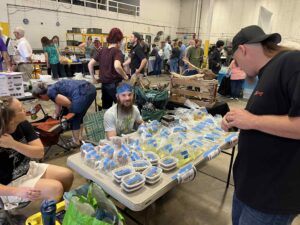
- Relaxed and social: People stroll among tables, browse, talk, and take their time deciding what to buy.
- Hands-on: You can look closely at tanks, bags, plants, and equipment and speak directly with the seller.
- Family-friendly: Many people bring kids, new hobbyists feel welcome, and the vibe is open and inviting.
🐠 What You’ll Find
Swap meets typically include a wide variety of items from hobbyists, small breeders, and sometimes specialty vendors:
Livestock
- Locally bred freshwater fish (often healthier than store-bought)
- Shrimp, snails, and other invertebrates
- Rare or unusual species not commonly found in pet shops
Plants
- Potted or portioned aquatic plants
- Mosses, floaters, rhizome plants, and hard-to-find species
Equipment
- Tanks, filters, lights, air pumps
- Aquascapers’ tools, driftwood, rocks, substrate
- Fish food, fertilizers, aquarium additives
Extras
- Books, magazines, breeding supplies
- Custom 3D-printed aquarium items
- Hobby crafts or locally made fishroom accessories
Since everyone brings their own variety, no two swap meets are the same.
💬 Interacting With Sellers
One of the best parts of a swap meet is talking directly with the people who bred or raised the livestock you’re buying. Sellers are often hobbyists who love sharing:
- How they keep their fish or plants
- Recommended tank sizes or water conditions
- Tips on breeding or care
- What foods they use
- Little “secrets” that don’t show up in care sheets
This makes swaps a great learning experience for beginners and advanced aquarists alike.
💡 Benefits of Attending
- Great deals compared to retail shops
- Healthier stock from local breeders
- A huge variety of species and equipment
- Face-to-face learning from hobby experts
- Freedom to shop at your own pace
- A chance to discover new species or plants you’ve never encountered before
🛍️ What to Bring
- A cooler or insulated bag with heat/cold packs depending on weather
- Cash, since not all sellers accept electronic payment
- Boxes or bags for equipment purchases
- A shopping list if you’re hunting for specific fish or plants
- A little extra budget — impulse finds are very common!
⭐ Circle City Aquarium Club (CCAC) Swap Meet Details
The CCAC hosts two swap meets every year—one in winter and one in summer. Here’s what makes attending a CCAC swap meet special:
📍 Location
Aquatic Arts
6352 Airway Dr
Indianapolis, IN 46241
This is a unique venue, because Aquatic Arts is a well-known aquatics-focused business with a reputation for high-quality fish and inverts. Their facility provides plenty of space and a hobby-forward environment.
🗓️ Frequency
- Twice per year
- Winter swap
- Summer swap
Together with the spring and fall auctions, these swaps give CCAC members and local hobbyists year-round opportunities to buy, sell, and trade.
💲 Admission
- Free to the public, making it an ideal event for families and newcomers
- No bidding, no entrance fees—just walk in and browse
🎤 Extra Activities
CCAC swap meets may also feature:
- Guest hobby speakers sharing tips, techniques, and personal experiences
- Mini-talks or hands-on demonstrations
- Aquatic Arts facility tours, offering a behind-the-scenes look at professional fish and invert care
- Raffle drawings for prizes, often including equipment, gift cards, or livestock
- Tables for local fish stores, giving attendees a chance to browse offerings from both hobbyists and retailers
- Q&A sessions with experienced keepers and breeders
These added activities make the event feel like a blend of marketplace, community gathering, and mini-convention.
🤝 Why CCAC Swap Meets Are Worth Attending
- Great mix of local breeders, regional vendors, and local fish stores
- Access to healthy livestock and rare species
- A friendly, welcoming community atmosphere
- Great opportunity to meet people who can help with future trades, breeding projects, and fishroom advice